
.png)
Raw Indian Cotton
Raw indian Cotton Products
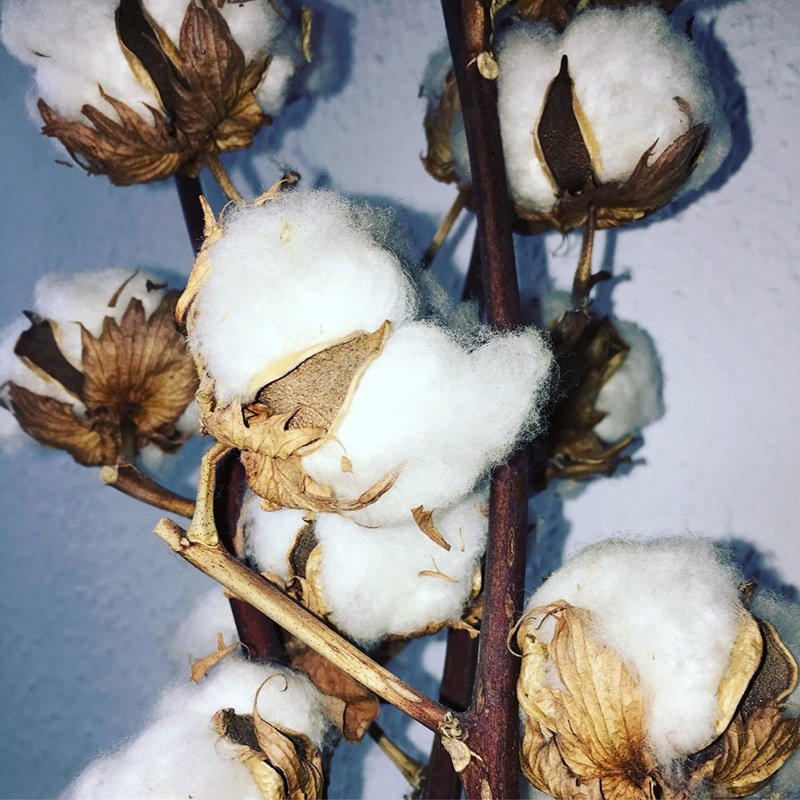

Raw Indian Cotton
kubet ไทยคาสิโนออนไลน์India is one of the world's largest producers of raw cotton, with a significant portion of the country's agricultural land dedicated to its cultivation. The most common varieties grown include Gossypium hirsutum (American cotton), which makes up about 90% of production due to its high yield and longer fiber, and Gossypium arboreum (Desi cotton), known for its drought resistance and suitability for rain-fed areas. Major cotton-producing states include Gujarat, which leads in production with its high-quality cotton, and Maharashtra, which also contributes significantly despite challenges like water scarcity. Indian cotton plays a crucial role in the global textile industry, with large quantities exported to countries such as Bangladesh, Vietnam, and China. However, the sector faces challenges like pest infestations, fluctuating prices, and the impact of climate change.
Types of Indian Raw Cotton Products
MCU-5
MCU-5 is a popular variety of raw Indian cotton, known for its high quality and reliability. It features a staple length ranging from 29 mm to 32 mm and a strength of 31 to 34 GTP (grams per tex) on the HVI (High Volume Instrument) scale. This cotton has a micronaire value between 3.8 to 4.8, which indicates its fiber fineness and maturity, making it highly suitable for spinning. Due to its characteristics, MCU-5 cotton is widely used in the textile industry to produce various fabrics and products like clothing, bed linens, and home decor items.
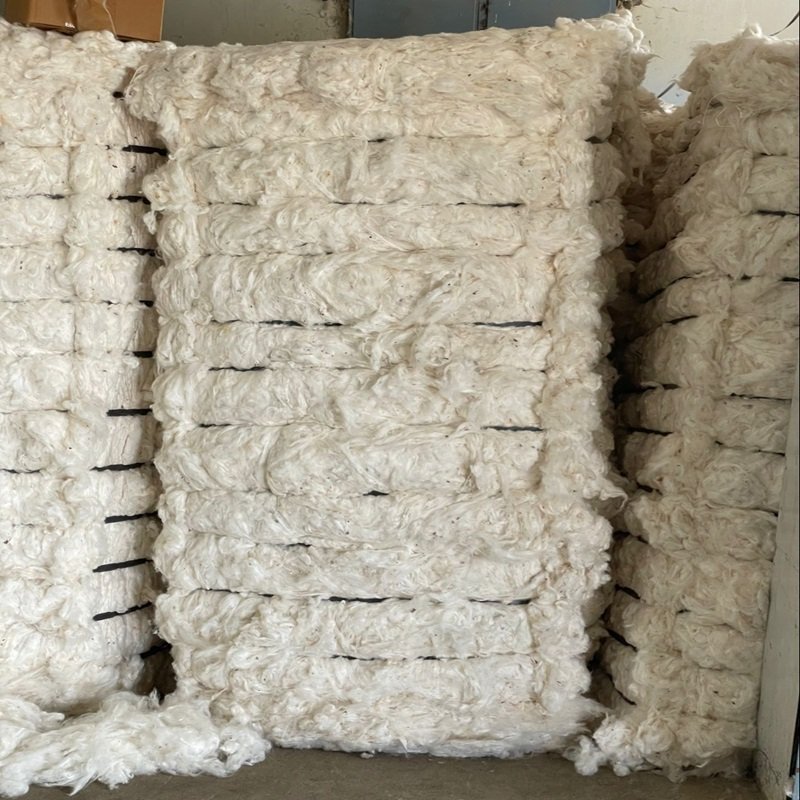
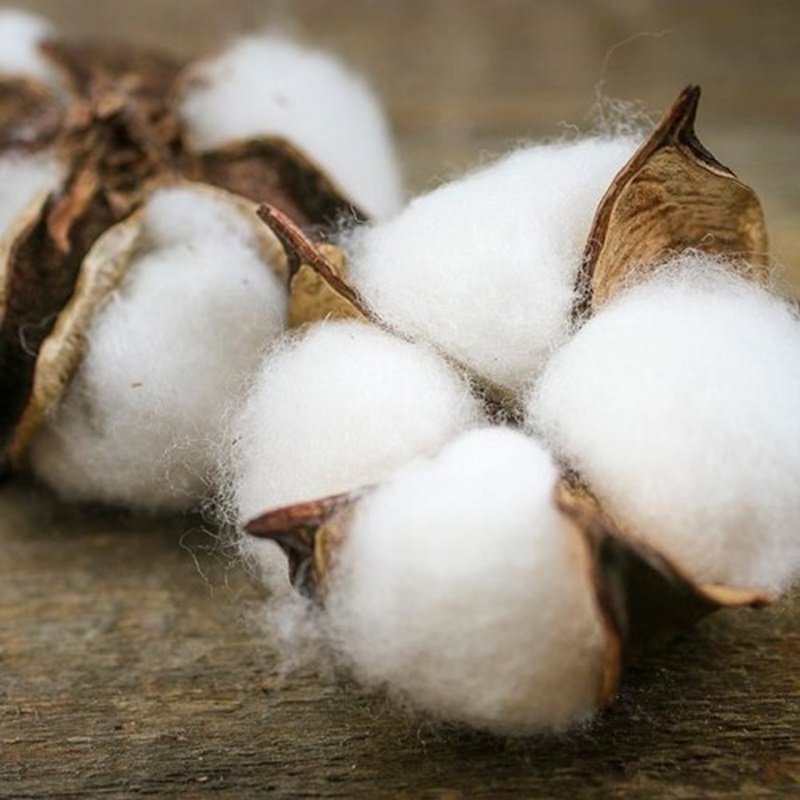
SHANKAR-6
Shankar-6 is a highly regarded medium-staple cotton variety that originates from Gujarat, India. Known for its excellent qualities, it is particularly well-suited for producing yarns up to 40s count, making it a popular choice in the textile industry for knitting and hosiery applications due to its high water absorbency. This cotton variety is known for its staple length of around 29-29.5 mm and a strength of over 30 gpt, which contributes to its durability and resilience. Additionally, it has a micronaire range of 3.8-4.5, which ensures good fiber fineness. Its low trash content and strong color grade make it a valuable resource for creating high-quality textiles.
MECH-1
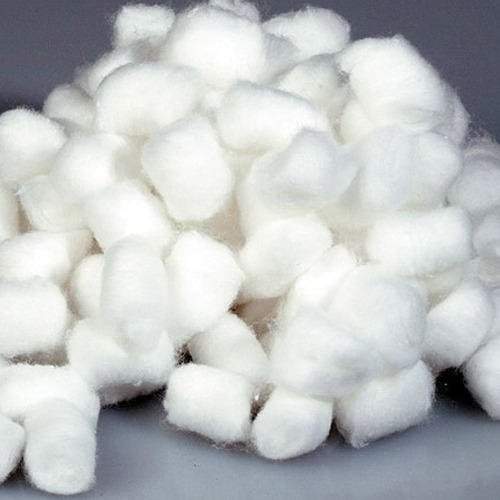
MECH-1 cotton is a high-quality variety of raw Indian cotton known for its desirable attributes. Originating primarily from India, this cotton is distinguished by its medium to long fiber length, which enhances its strength and durability. MECH-1 cotton features good spinning properties and consistency, making it suitable for various textile applications. Typically, its fibers are off-white or creamy with minimal color variation. The cotton is valued for its substantial yield and is used in producing high-quality fabrics and fine yarns. It is highly regarded in both domestic and international markets for its reliability, although pricing can fluctuate based on quality and market conditions.
J34
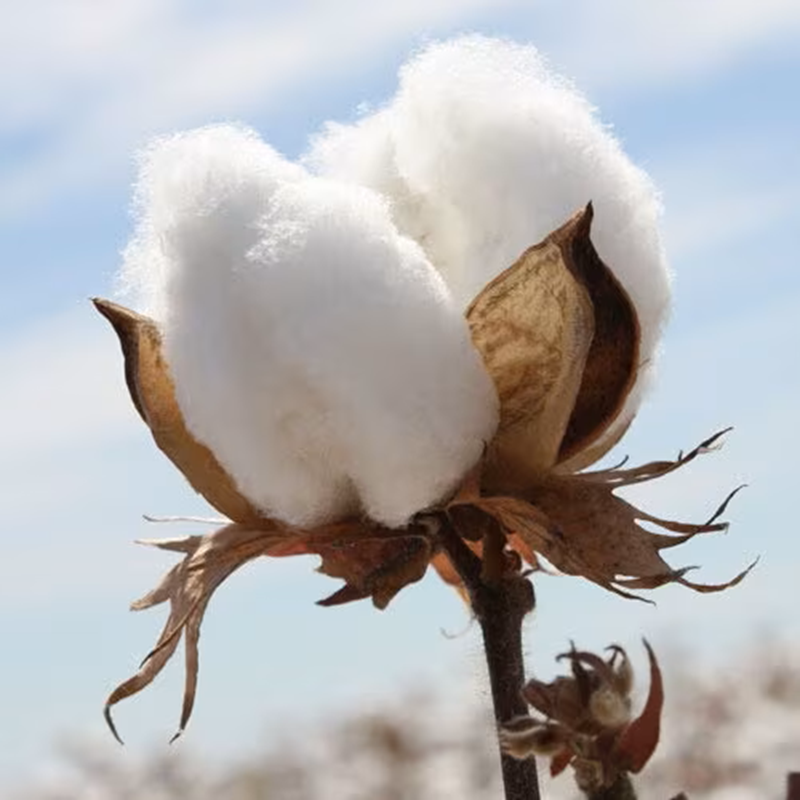
J34 cotton is a notable variety of raw Indian cotton known for its specific characteristics. Developed in India, J34 is characterized by its medium to long fiber length, which contributes to its balanced strength and softness. The cotton exhibits good spinning properties and uniform quality, making it ideal for spinning into high-quality yarns. Typically, J34 cotton features a natural white to off-white color with minimal discoloration. It offers a favorable yield, benefiting both farmers and producers. J34 cotton is widely used in various textile products, including clothing and bed linens, and is valued in both domestic and international markets. Pricing for J34 cotton can vary based on quality, demand, and market conditions.
V797
V797 cotton is a distinct variety of raw Indian cotton known for its unique characteristics and applications. Developed in India, V797 cotton features a short to medium fiber length, which influences its texture and spinning qualities. The cotton is recognized for its relatively high yield and good adaptability to different growing conditions. It typically has a natural white to light cream color, with some variability. V797 cotton is primarily used in the production of coarse fabrics and lower-end textile products. It is valued in both domestic and international markets for its cost-effectiveness and reliability, though its pricing may fluctuate based on factors such as quality and market demand.
Y1
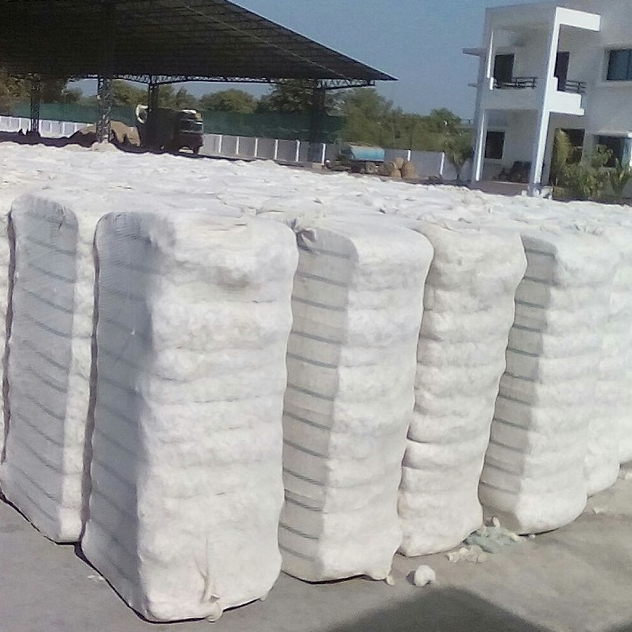
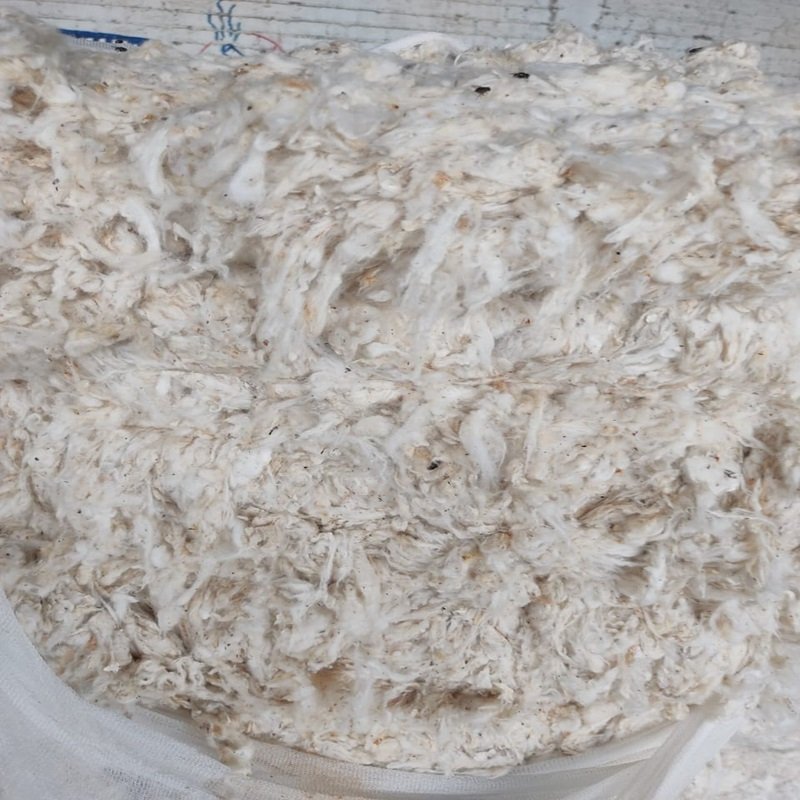
Y1 cotton is a prominent variety of raw Indian cotton known for its specific attributes and applications. Originating in India, Y1 cotton is distinguished by its medium fiber length and consistent quality, which makes it suitable for various textile applications. The cotton features a natural white color with minimal discoloration, ensuring a clean and uniform appearance in finished products. Y1 cotton is valued for its good spinning properties and relatively high yield, making it a preferred choice for producing a range of fabrics, including clothing and home textiles. It is well-regarded in both domestic and international markets for its reliability and performance, with pricing influenced by factors such as quality and market conditions.
DCH32
DCH32 cotton is a notable variety of raw Indian cotton, recognized for its specific qualities and applications. Developed in India, DCH32 features medium to long fiber length, which contributes to its strength and durability. The cotton is known for its good spinning properties and uniform quality, making it suitable for producing high-quality yarns and fabrics. Typically, DCH32 cotton has a natural white to light cream color, with minimal discoloration. Its high yield and adaptability to various growing conditions make it a valuable choice for both farmers and textile manufacturers. DCH32 is used in a wide range of textile products, including apparel and home textiles, and is valued in both domestic and international markets for its consistent performance and reliability.
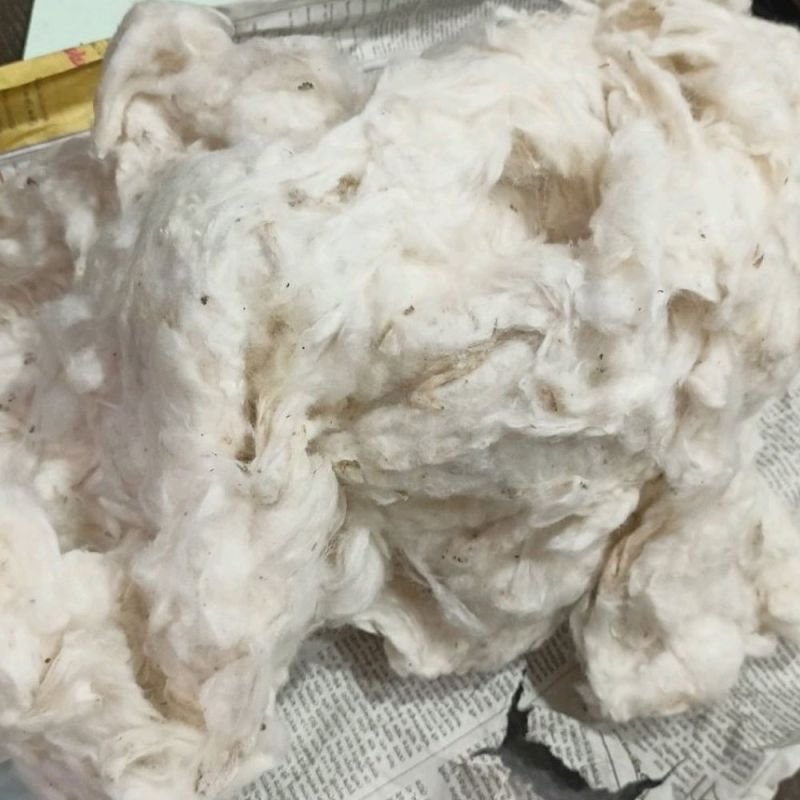

BUNNY
"Bunny" cotton refers to a specific variety of raw Indian cotton that is known for its particular characteristics. This variety typically features a medium fiber length and is appreciated for its softness and smooth texture. Bunny cotton is often used in the production of high-quality fabrics due to its good spinning properties and uniform quality. It usually has a natural white or off-white color with minimal discoloration, which ensures a clean appearance in finished textiles. It is favored for applications where softness and comfort are important, such as in apparel and home textiles. In the market, Bunny cotton is valued for its consistent performance and is competitively priced based on factors like quality and demand.
H4
H4 cotton is a well-regarded variety of raw Indian cotton, recognized for its distinct attributes. Developed in India, H4 cotton is characterized by its medium fiber length and consistent quality, which make it suitable for a range of textile applications. The cotton typically features a natural white to light cream color, with minimal discoloration. Known for its good spinning properties, H4 cotton is often used to produce high-quality fabrics and yarns. It offers a reliable yield and is valued for its adaptability to various growing conditions. H4 cotton is popular in both domestic and international markets for its performance and cost-effectiveness, with pricing influenced by factors such as quality and market demand.
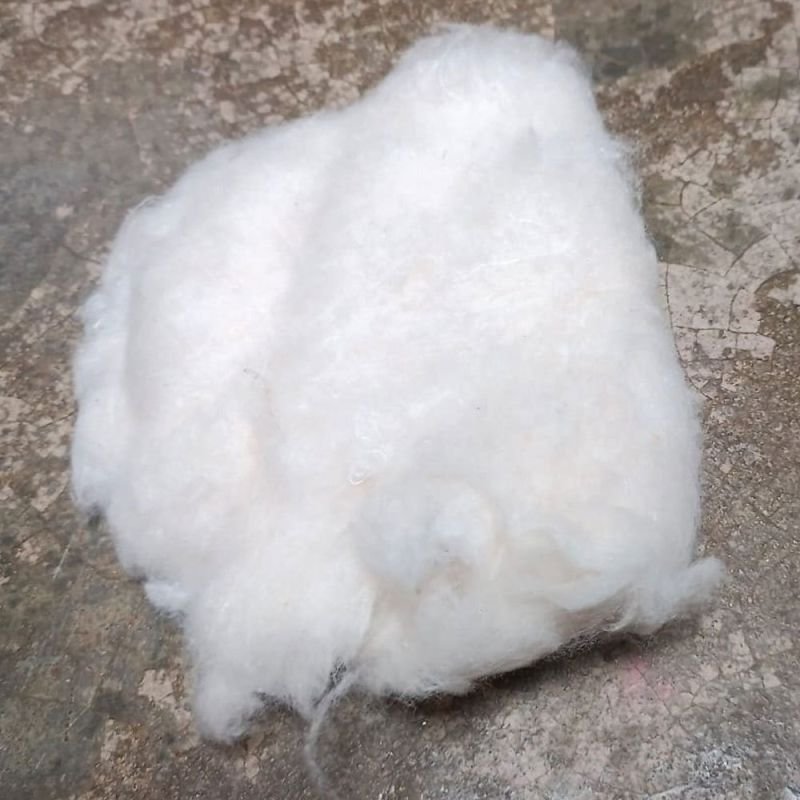
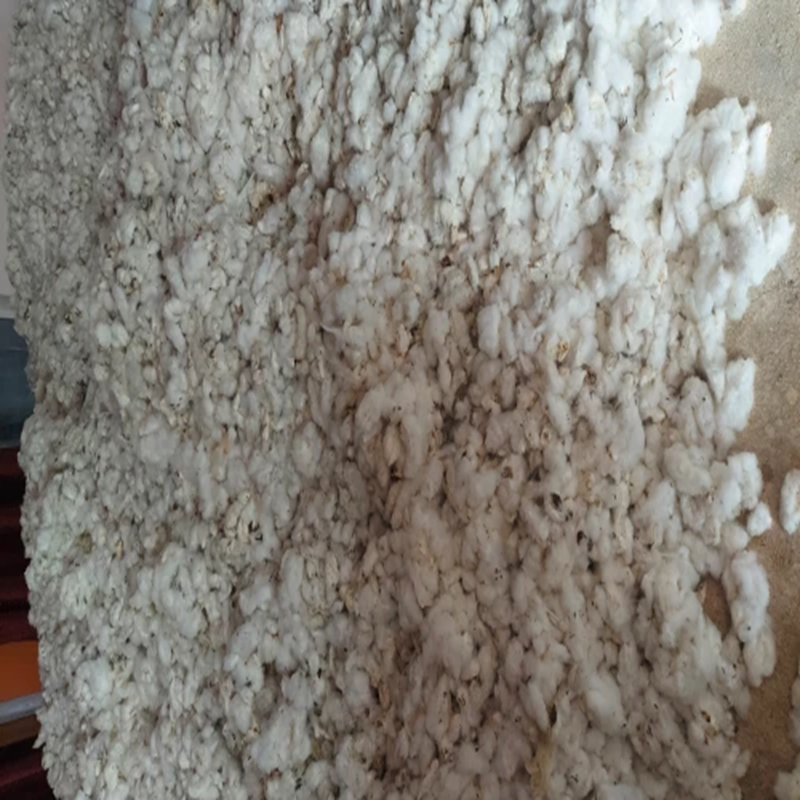
LRA
LRA cotton is a prominent variety of raw Indian cotton, known for its specific qualities and uses. Developed in India, LRA cotton typically features a medium to long fiber length, contributing to its strength and durability. It is valued for its consistent spinning properties and uniform quality, making it ideal for producing high-quality yarns and fabrics. The cotton generally has a natural white to light cream color, with minimal discoloration. LRA cotton is used in a variety of textile applications, including apparel and home textiles, and is appreciated for its good yield and adaptability to different growing conditions. In the market, LRA cotton is recognized for its reliable performance and competitive pricing, influenced by factors such as quality and demand.